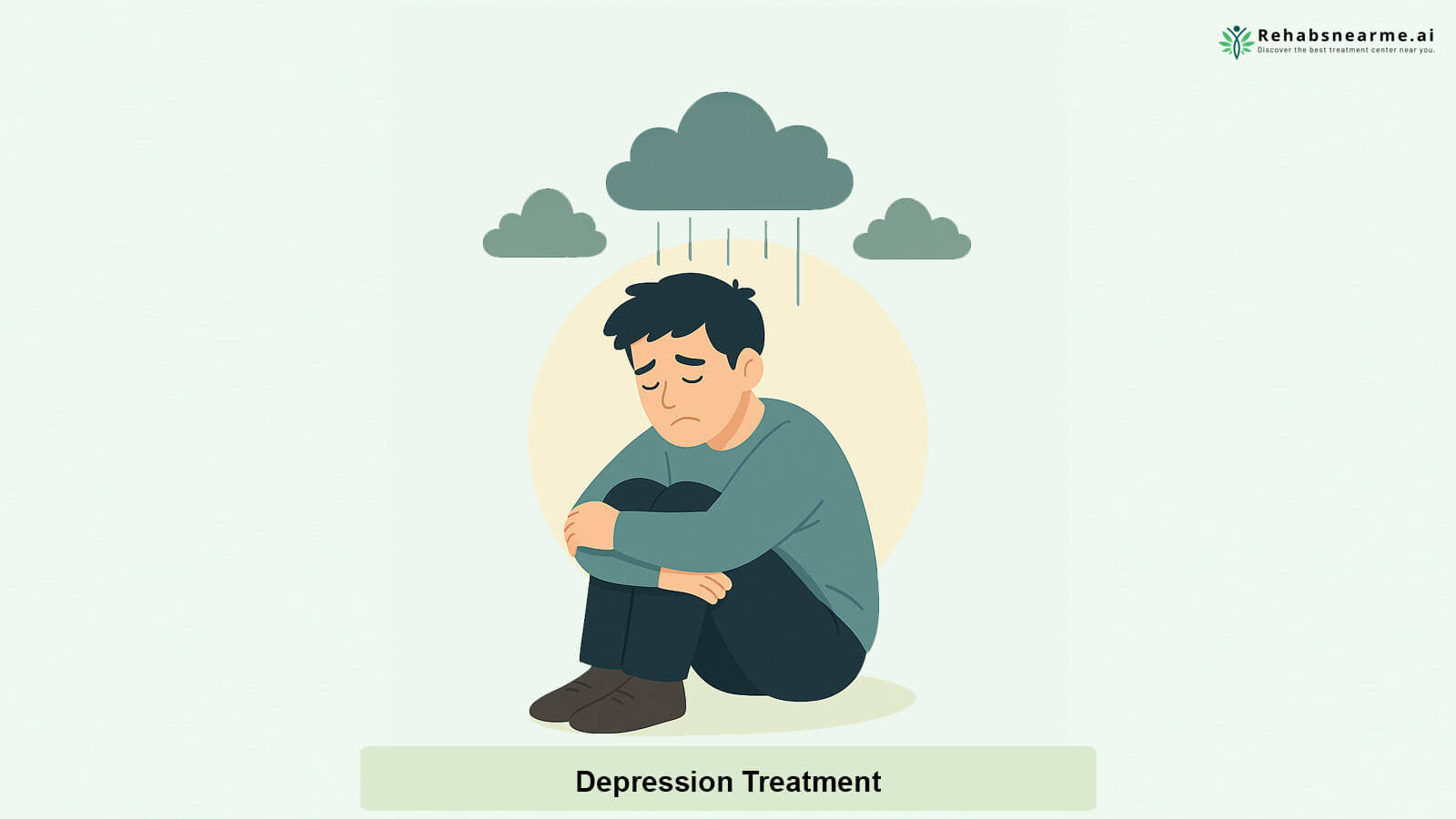
Depression: Symptoms, Chronic Conditions, and Treatment Options
Depression is one of the most common mental health disorders worldwide, affecting more than 300 million people according to the World Health Organization (WHO). Unlike typical sadness, depression involves persistent loss of interest, low mood, difficulty functioning, and in some cases, suicidal thoughts. It is a serious medical condition that requires professional support and comprehensive treatment.
Common types of depression include:
- Major Depressive Disorder (MDD)
- Persistent Depressive Disorder (Dysthymia)
- Postpartum Depression
- Bipolar Disorder–related depression
Although depression does not have an instant cure, it is highly treatable. Many individuals experience significant improvement through therapy, medication, lifestyle adjustments, and integrated treatment programs.
Is Depression a Chronic Condition?
Depression can be both episodic and chronic. Some people experience a single episode that improves with treatment, while others face long-term symptoms.
Chronic depression (persistent depressive disorder):
- Lasts two years or more
- Often includes ongoing feelings of hopelessness or low energy
- Can interfere with relationships, work, and daily functioning
Depression can also enter remission and return later. The good news is that recurrences are often identified early and treated effectively.
What Is a Chronic Mental Illness Treatment Program?
Chronic mental illness rehab programs support individuals struggling with both depression and substance use disorders (SUD)—commonly known as co-occurring disorders or dual diagnosis.
These specialized programs:
- Address mental illness and addiction together, not separately
- Are proven more effective than treating each condition individually
- Help reduce relapse risk and improve long-term recovery outcomes
According to the 2023 National Survey on Drug Use and Health, over 20.4 million U.S. adults experienced a co-occurring disorder in the past year. Chronic mental illness treatment programs provide integrated care to address the unique needs of these individuals.
What Happens During a Depression Treatment Program?
Before entering treatment, individuals undergo a comprehensive clinical assessment. This helps providers create a personalized plan that may include different levels of care:
Medical Detox (if needed)
For people with depression linked to alcohol or drug use, medical detox may be the first step. Detox:
- Ensures safe withdrawal
- Provides medical supervision
- Reduces discomfort
- Stabilizes patients before therapy begins
Inpatient Treatment
Inpatient rehab provides 24/7 structured care and is ideal for:
- Severe depression
- Co-occurring disorders
- Individuals needing intensive support
Clients live at the facility and participate in daily therapy, medication management, and wellness activities.
Outpatient Treatment Programs
Outpatient rehab allows individuals to live at home while attending therapy several times per week. This is ideal for those who need treatment but maintain work, school, or family responsibilities.
Intensive Outpatient Programs (IOP)
IOPs offer 9–20 hours per week of treatment and are perfect for individuals who need more support than standard outpatient therapy but do not require residential care.
Partial Hospitalization Programs (PHP)
Also called high-intensity outpatient programs:
- 20+ hours of treatment weekly
- Daily structure without overnight stays
- Effective for individuals with severe depression or co-occurring substance use
Evidence-Based Treatment Approaches for Depression
Chronic mental illness treatment programs use a combination of therapies tailored to each person’s needs. Common approaches include:
- Cognitive Behavioral Therapy (CBT) Helps identify negative thoughts and replace them with healthier patterns.
- Dialectical Behavior Therapy (DBT) Useful for individuals with severe depression, emotional dysregulation, or self-harm behaviors.
- Motivational Interviewing (MI) Strengthens internal motivation for change and long-term wellness.
- EMDR Therapy Helps individuals process trauma that may be contributing to depression or addiction.
- Group Therapy Provides peer support, shared experiences, and skill-building.
- Assertive Community Treatment (ACT) A comprehensive, team-based approach for individuals with severe co-occurring disorders.
In some cases, medication-assisted treatment is used to treat both addiction and mental health symptoms.
What Happens After Completing a Chronic Mental Illness Program?
Recovery continues after rehab. Aftercare, or continuing care, plays a crucial role in long-term success.
Aftercare options include:
- Support groups (AA, NA, Double Trouble in Recovery)
- Individual counseling
- Relapse prevention planning
- Medication management
- Sober living homes
- Telehealth therapy
These services help individuals stay stable, accountable, and supported after treatment.
Does Insurance Cover Depression and Co-Occurring Disorder Treatment?
Yes. Under the Affordable Care Act (ACA), mental health and substance use treatment are considered essential health benefits. Most insurance plans—including Marketplace and employer-based plans—must cover:
- Rehab
- Therapy
- Psychiatric care
- Medication management
Coverage varies by plan, so verifying insurance benefits is important.
Can I Use FMLA for Depression Treatment in the U.S.?
Yes. The Family and Medical Leave Act (FMLA) allows eligible employees to take up to 12 weeks of unpaid leave for medical treatment, including clinically diagnosed depression.
FMLA protects:
- Your job
- Your health benefits
- Your employment status
Check with your employer’s HR department to confirm eligibility and coverage details.
Questions to Ask Your Provider
Preparing questions ahead of time can help you understand your treatment plan:
- What symptoms suggest depression in my case?
- What treatment options do you recommend?
- What should I expect during treatment?
- What side effects might medications have?
- Are lifestyle changes recommended?
- Are support groups helpful for me?
- What follow-up care should I plan for?
- How can I tell if my symptoms worsen?
- What should I do if treatment isn’t helping?
- Are there related mental health conditions I should know about?
How Can I Find Support?
You don’t have to face depression alone. Support options include:
- Depression treatment centers
- Telehealth therapy providers
- Primary care physicians
- Trusted friends or family members